



























Florida lawmakers and community leaders are raising concerns as large data centers designed to support artificial intelligence are being proposed across the state, including areas near the Everglades. While supporters say the projects could bring jobs and economic growth, others worry about environmental impacts and resource use.
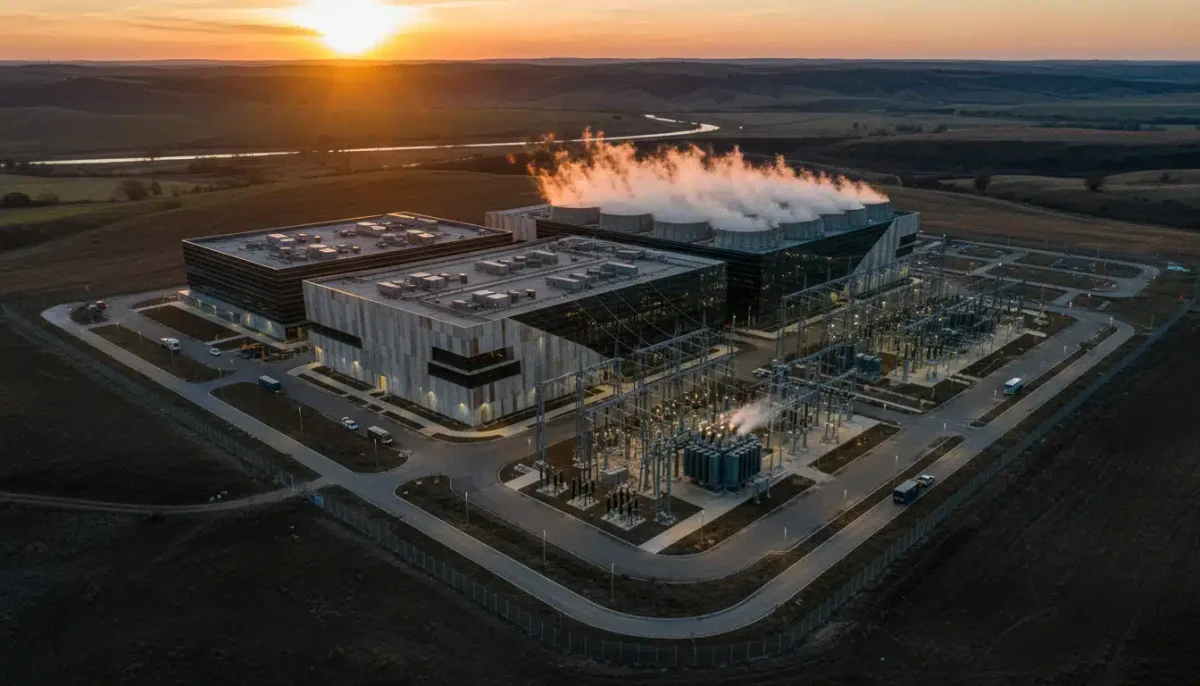
Data centers help store information, run cloud services and train artificial intelligence systems. According to Fox 13 News, data centers are “large, warehouse-style buildings filled with rows of computer servers” that “store, process, and transmit digital information used for cloud storage, email, streaming services and artificial intelligence tools.”
Lawmakers recently introduced Senate Bill 484, which would create new rules for how these facilities operate. Supporters say the goal is to support technology growth while protecting residents. Sen. Bryan Avila said Florida wants to remain competitive but still protect consumers. “We want to maintain that we are at the forefront of technological advances,” Avila said. “But we want to make sure we also strike that balance and make sure that we protect our ratepayers from higher electricity costs.”
One of the biggest concerns is how much energy and water the facilities use. The Fox 13 report explained that data centers “consume enormous amounts of electricity and water, often comparable to the needs of a small city, primarily to keep servers from overheating.” Experts worry this demand could put pressure on local power systems and water supplies, especially near sensitive ecosystems like the Everglades.
The bill would require data centers to pay for their own electric infrastructure and create stricter water use rules. According to Fox 13 News, it would require “detailed water use plans and the use of reclaimed water when feasible.”
Supporters of the data centers say they could create jobs and strengthen Florida’s technology industry. However, environmental groups and some residents worry about long-term effects on natural resources and community infrastructure.
As lawmakers continue reviewing the bill, the decision could shape how Florida balances new technology development with protecting its environment and communities.