


























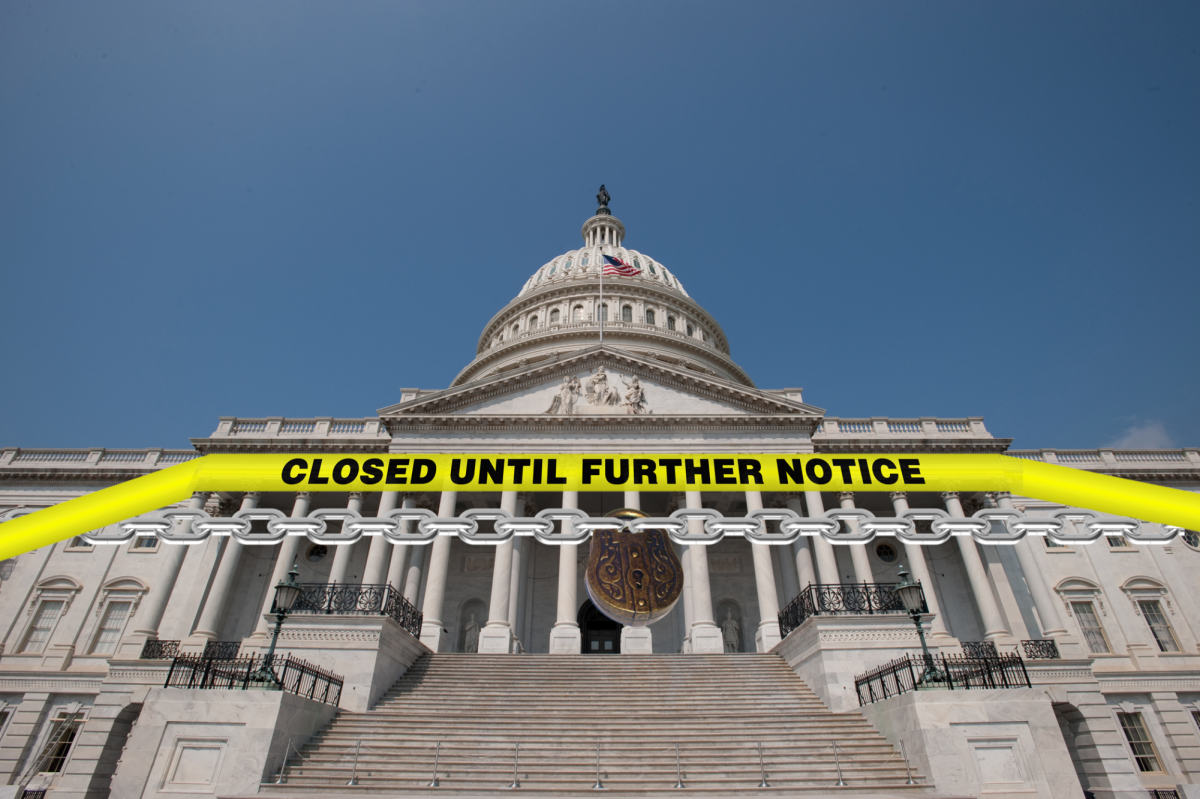
In what is now the longest full government shutdown in American History, the U.S. federal government remains shut down because Congress has not agreed on a funding plan for the new fiscal year, which began on Oct. 1. As the shutdown continues, schools, federal workers and families are dealing with growing uncertainty about the weeks ahead.
More than 750,000 federal employees are working without pay or are furloughed, according to labor groups monitoring the impact. Airports, nutrition programs and education services are among those affected. Families that depend on federal support have been told delays may worsen if the shutdown stretches longer. “People are really hurting without these paychecks,” said Mike Christine, Eastern Regional Vice President of the National Air Traffic Controllers Association. “We are talking to our coworkers about how to get zero interest loans to get through this.”
School districts are warning that federal support for meal programs and special education could be disrupted. Many education department staff who monitor and distribute grants are furloughed. Officials said that entire teams responsible for funding oversight may not return to work right away even when the shutdown eventually ends. “Cuts are going to be felt directly in classrooms,” said Randi Weingarten, president of the American Federation of Teachers. “This is taking a real toll on students, families, educators and communities.”
Parents and local leaders in several states have raised concerns about food assistance for low income students and possible delays in early childhood programs like Head Start. Those programs rely heavily on federal dollars to operate smoothly through the school year.
Economists expect consumer spending to fall if workers keep missing paychecks. Businesses near federal workplaces have already reported lower demand. Some families dependent on federal benefits worry they may soon need to choose between groceries, medication and rent.
Negotiations in Congress have not produced a funding agreement. Lawmakers from both parties say they want the shutdown to end but have not reached a compromise on federal spending levels.
The real effects grow each day the government remains shut. “These are devastating and irresponsible attacks that are harming families and children across America,” Weingarten said. “It feels like we are the ones paying the price.”